
Why Does Oud Perfume Changes Color? Is It Normal

Oud perfume tends to come out of the cupboard in November, when the UAE’s average temperature settles at 24.8°C according to the National Center of Meteorology, and evenings finally suit a heavier scent. That is also when many people notice that a bottle bought in spring now holds a darker liquid than it did, and they start to wonder whether it has gone off.
In most cases it hasn’t. The change comes from a chemical process that starts once a fragrance meets air, light, and warmth, and it is common in perfumes built on vanilla, amber, woods, and resins.
A darker shade is normal for most bottles, and the exceptions are easy to spot by smell and appearance.
Why Does Oud Perfume Change Color?
Oxidation is the main cause. Fragrance molecules react with oxygen, and some change structure as they do, which moves the liquid from pale gold toward amber or brown. A little air enters the bottle each time you spray, so a bottle in daily use has had more exposure than one that is still sealed.
The ingredients decide how far and how fast the color moves. Vanilla, patchouli, benzoin, labdanum, amber accords, and other resins are known to deepen with time. Gabriela Chelariu, principal perfumer at DSM-Firmenich, has pointed out that vanillin, the main molecule in vanilla, naturally gets darker, and synthetic vanillin does the same.
Oud itself begins as a dark material. Agarwood forms when an Aquilaria tree responds to a fungal infection by producing a dark, aromatic resin that slowly saturates the heartwood, a process that can take decades. Oud is rarely the only ingredient in a bottle, and the sweet or resinous notes paired with it are usually what deepen the color further.
Heat, humidity, and UV light speed everything up. UV breaks down fragrance molecules, which is why a sunny windowsill ages a bottle quickly, and a loose cap lets alcohol evaporate, which concentrates what remains and darkens it.
Notes That Can Darken
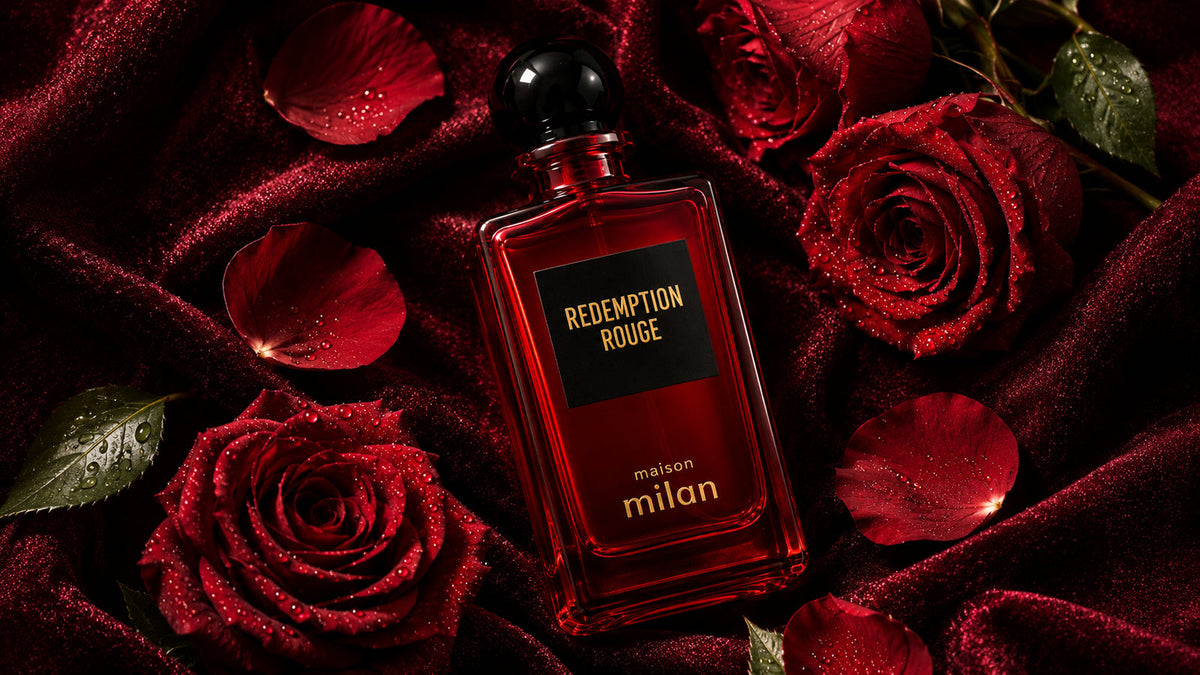
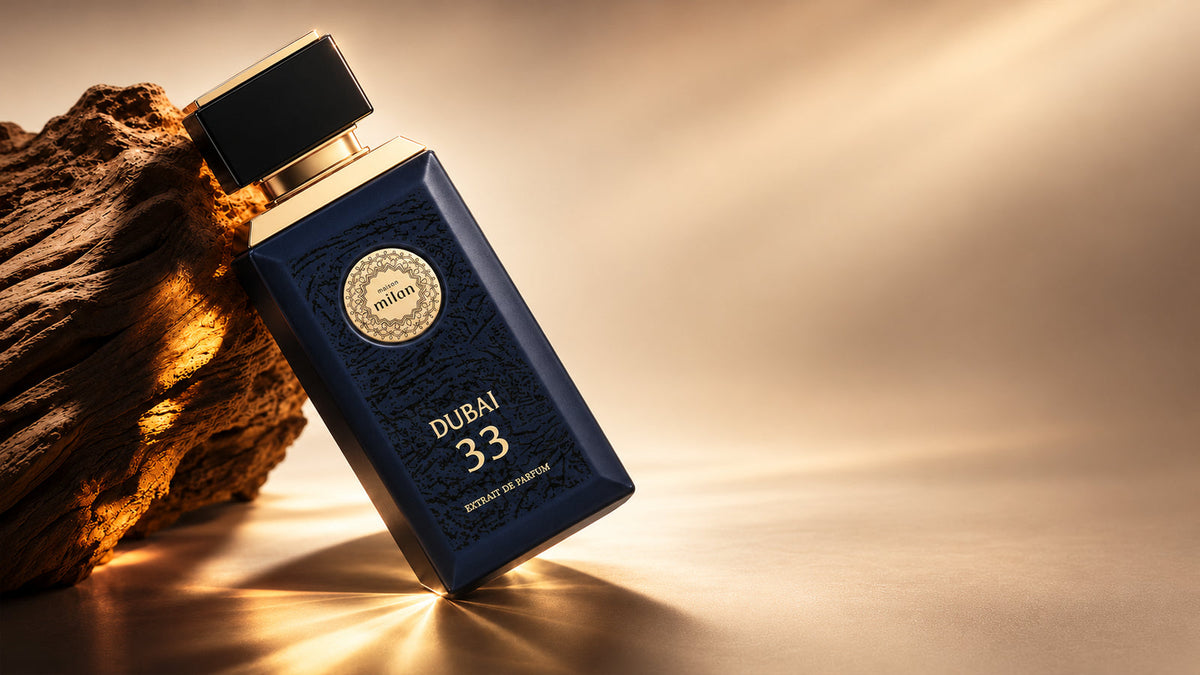
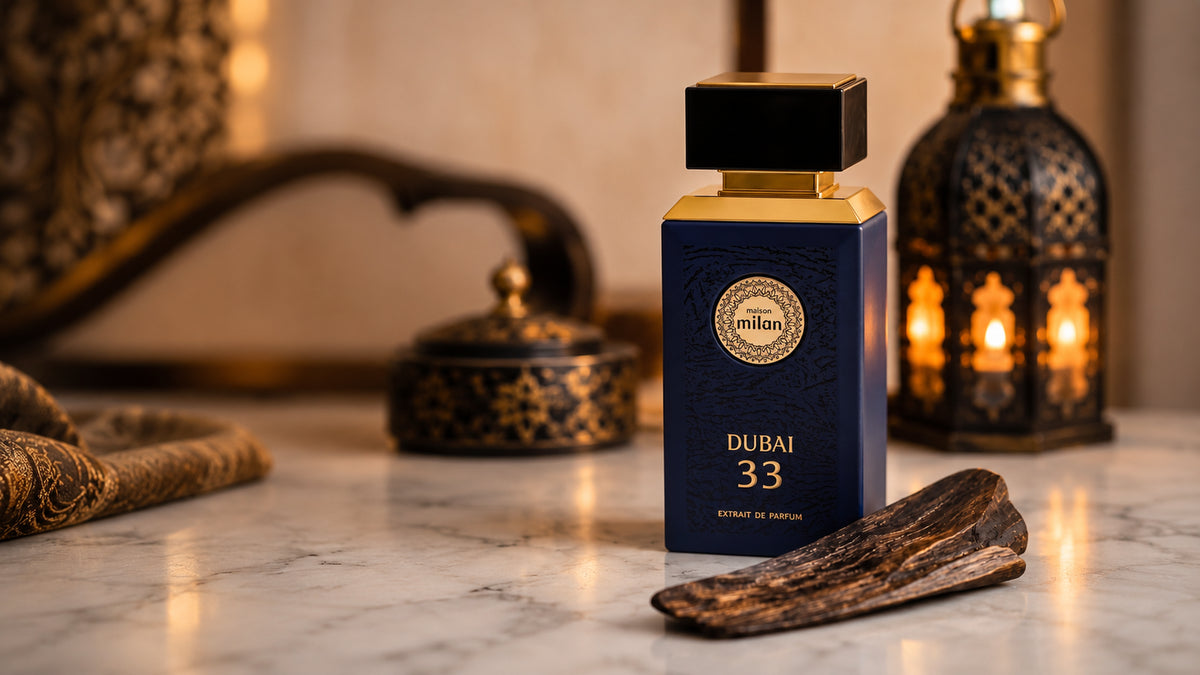
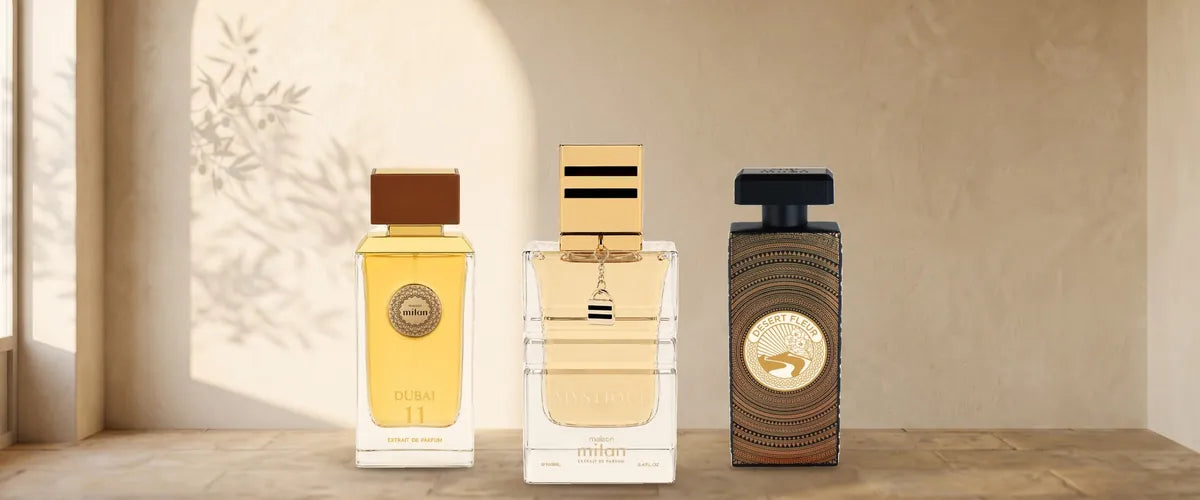
Most oud perfume for ladies pairs the wood with sweeter or resinous notes, and the pairing gives a good idea of how a bottle will age. The pyramids below come from Maison Milan’s product notes and show which ingredient families are present in each fragrance. The actual shade of any one bottle depends on its age and how it has been stored.
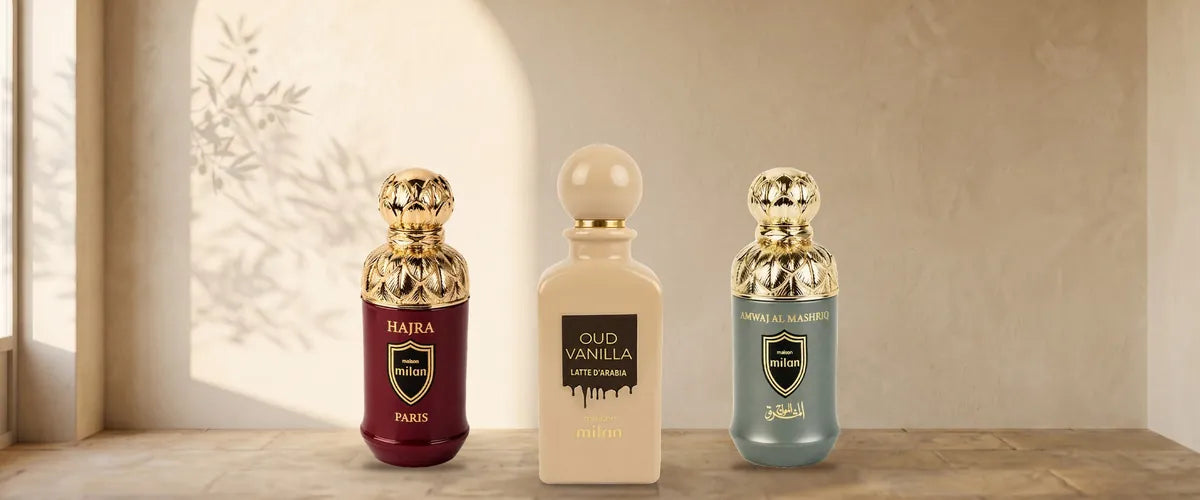
Oud Vanilla opens with bergamot and Sicilian orange, moves through toffee and cardamom, and rests on agarwood and Madagascar vanilla. Vanilla is one of the most commonly cited darkening ingredients, so a gradual shift toward amber would fit this composition.
In Desert Mirage, vanilla sits in the base alongside akigalawood and suede, under a heart of sandalwood and vetiver and an opening of frankincense and pimento. Frankincense is a resin, and resins are one of the groups perfumers expect to deepen.
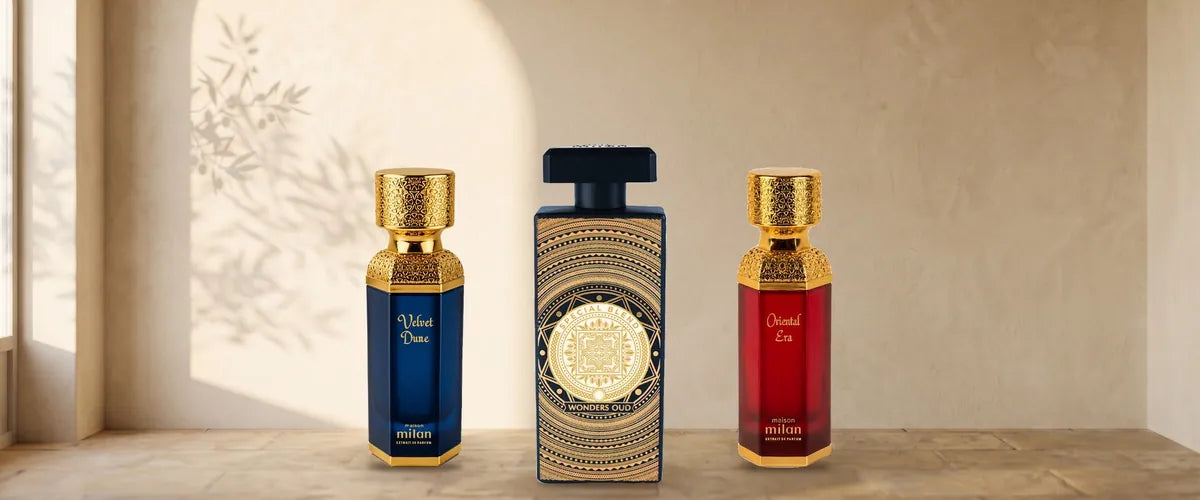
The agarwood in the Oriental Era sits in the heart, with passionfruit on top and leather and amber underneath, and amber accords appear on most lists of notes that darken.
Velvet Dune combines saffron and jasmine with amberwood, then settles on cedar and fir resin. Jasmine absolute is one natural ingredient that can change color and form sediment as it ages, and the fir resin adds a second reason for the liquid to shift.
How To Tell Normal Darkening From A Bottle That Has Turned
Three checks cover it: smell, clarity, and a paper-strip test. If the liquid is still clear and the smell is intact, use it. If it smells sour or like vinegar, or it has turned cloudy or carries floating particles, stop using it, because that points to separation or breakdown rather than ordinary aging.
For the paper-strip test, spray the perfume on a blotter or a plain strip of paper instead of your skin. If you can still pick out the notes, even if they have softened, the bottle is still good. If it smells sour or metallic, or fades within minutes, the fragrance has degraded.
Storing Oud Perfume In The UAE Climate
August is Dubai’s hottest month and can reach 46°C, so a bottle left near a window or in a parked car through summer takes a lot more heat than one kept indoors. November is milder, although this month’s outlook includes above-average rain, higher than normal temperatures, and humid mornings, and humidity speeds oxidation as well.
A drawer or wardrobe in an air-conditioned room suits most bottles. Keep the perfume in its box, away from windows, and out of the bathroom, where steam and temperature swings are constant. Close the cap after each use so that less alcohol evaporates between sprays.
Choosing Nice Perfumes For Women This Season
When you compare nice perfumes for women for the cooler months, the note pyramid shows how a bottle will wear and age, and it shows which ones rest on vanilla, amber, or resin. Among the best scents for women who want warmth on a 19°C evening, sweet oud blends built around amber, vanilla, or rose are an easy place to start.
Oud changes over the hours after the first spray, so wear a sample for at least a few hours before deciding. Try a soft oud, a sweet one, and a darker, smokier one on separate pulse points and see which still feels comfortable in the dry-down.
FAQs
Is it safe to wear oud perfume that has changed color?
Usually yes. A color change on its own does not make a perfume unsafe, and many vintage fragrances have darkened a great deal while staying wearable. Check the smell and the clarity of the liquid first.
Why does oud perfume darken even when the bottle stays in a cold place?
Vanilla, tonka, benzoin, and other resinous notes deepen in color as they age, whether or not the bottle has been opened. Warmth and light speed up the process, so a sealed bottle kept in a warm spot can darken sooner than one kept in a cool drawer.
Can darkened oud perfume stain clothes?
It can, since the liquid carries more color than it did when new. Spray a small amount on your skin and let it dry before you dress, or test a hidden patch of light fabric first.